Compostable bioplastic residues do not accumulate in soil
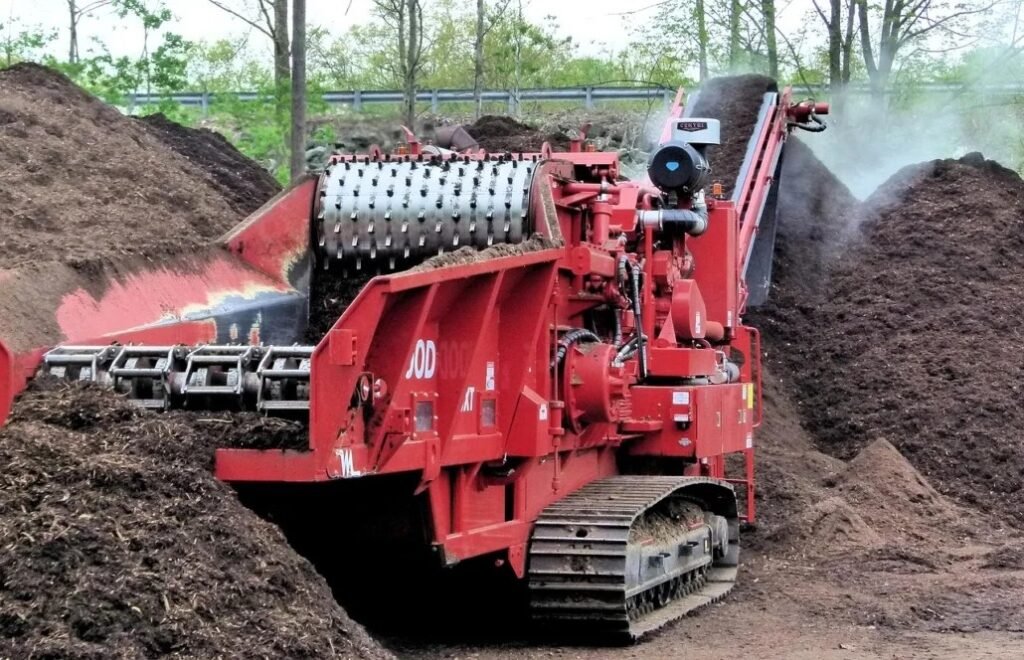
An international study fills one of the major scientific knowledge gaps surrounding compostable bioplastics. Any microfragments that may remain after industrial composting do not persist in the soil but continue to biodegrade thanks to microbial activity
Novamont Iberia brings the SOUL project at TERRA’26 in Portugal
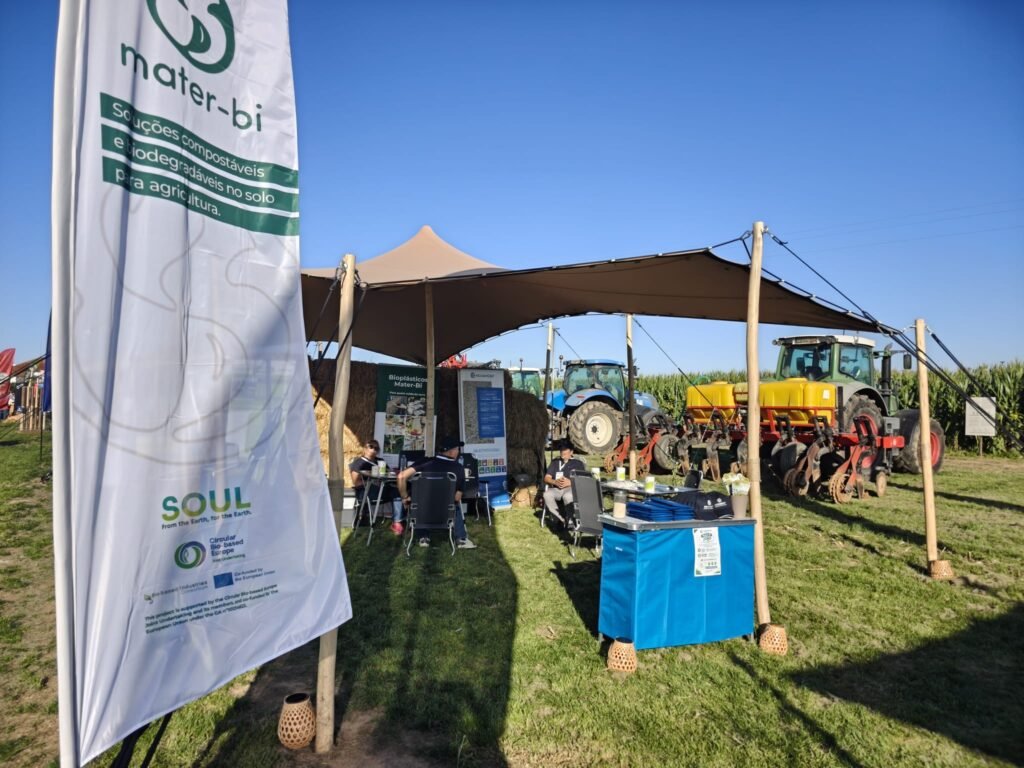
SOUL partner Novamont Iberia took part in TERRA’26, held on 9 and 10 September 2026 in Azinhaga, Portugal. This was the first professional event in the country dedicated to regenerative agriculture, and brought together farmers, technical experts and industry players under the theme “Enraizados no Futuro” (“Rooted in the Future”).
SOUL project holds first meeting of its Multi-Actor Advisory Panel
The SOUL project represents a crucial step towards a truly circular bioeconomy for plastics that end up in our soils. Our goal is to create sustainable, high-performance materials that work in harmony with the environment. By preventing soil pollution and reducing our carbon footprint, we can protect ecosystems for future generations. – Dr Carolina Peñalva, Project Coordinator.
AI-Driven Mutagenic Screening Tool of Plastic Monomers for Instant Safe and Sustainable by Design Assessment
The SOUL project represents a crucial step towards a truly circular bioeconomy for plastics that end up in our soils. Our goal is to create sustainable, high-performance materials that work in harmony with the environment. By preventing soil pollution and reducing our carbon footprint, we can protect ecosystems for future generations. – Dr Carolina Peñalva, Project Coordinator.
Innovation in the field: SOUL at the industrial tomato Open Day in Foggia, Italy

The SOUL project represents a crucial step towards a truly circular bioeconomy for plastics that end up in our soils. Our goal is to create sustainable, high-performance materials that work in harmony with the environment. By preventing soil pollution and reducing our carbon footprint, we can protect ecosystems for future generations. – Dr Carolina Peñalva, Project Coordinator.
From Local Innovation to EU Policy: Bioeconomy Projects Meet in Brussels
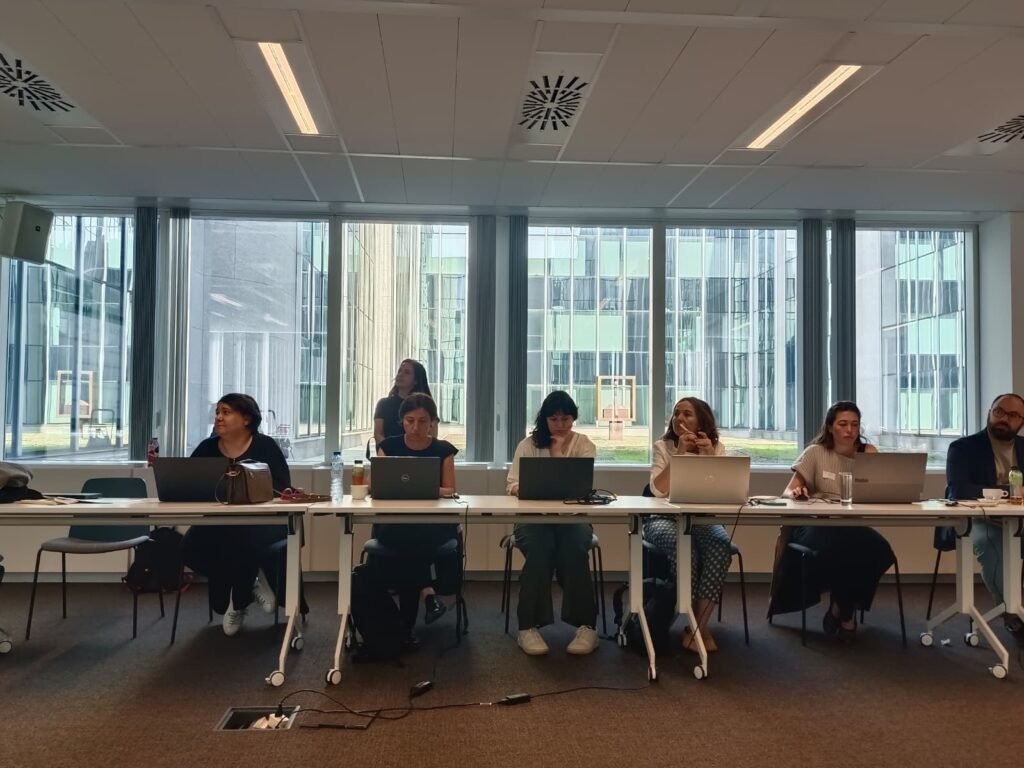
Europe’s bioeconomy transition needs to be built from the ground up, starting with local experiences and supported by effective policymaking. That was the key message emerging from “Co-Creating Policy Recommendations for a Rural Bioeconomy”, the event held yesterday, 27 May, in Brussels, where seven EU-funded initiatives came together to discuss how regional experimentation can help shape future European strategies.
Touchbase with R&I projects: SOUL

On 2the 21st of April SOUL was featured in the European Bioplastic online meeting series “Touchbase with R&I projects”.
From local action to European strategy: a Policy Lab for the bioeconomy

On 27 May in Brussels, a meeting of seven EU-funded initiatives. The aim: to bridge the gap between local experimentation and European policymaking, and to deliver actionable recommendations for the rural bioeconomy.