From Local Innovation to EU Policy: Bioeconomy Projects Meet in Brussels
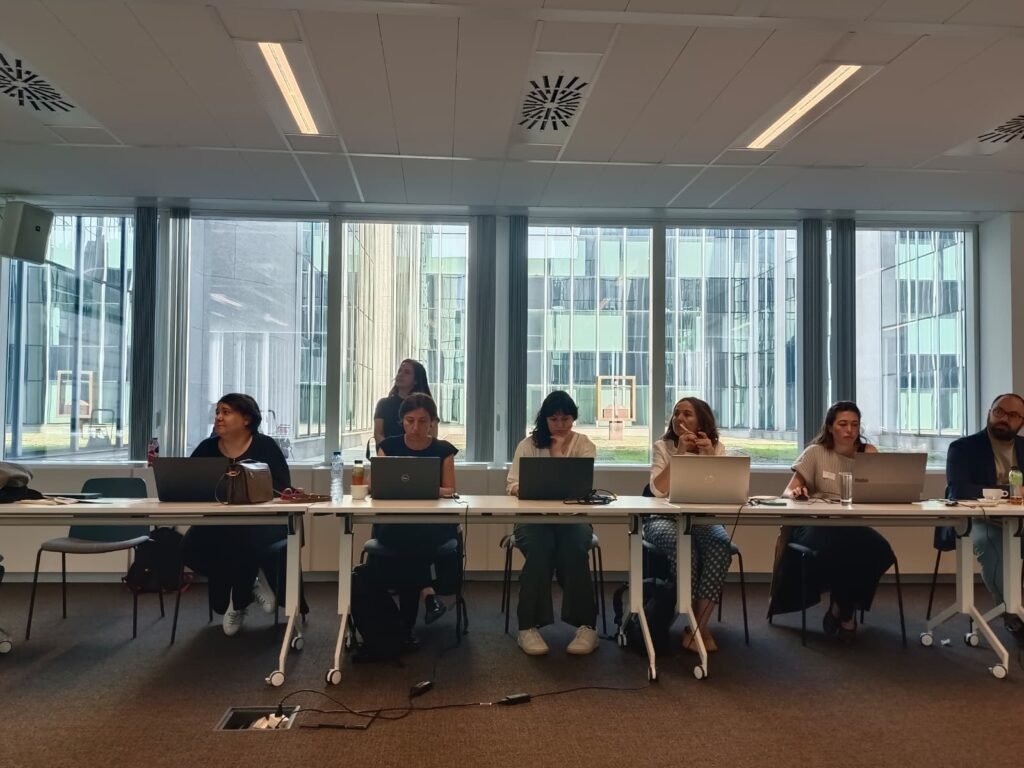

Europe’s bioeconomy transition needs to be built from the ground up, starting with local experiences and supported by effective policymaking. That was the key message emerging from “Co-Creating Policy Recommendations for a Rural Bioeconomy”, the event held yesterday, 27 May, in Brussels, where seven EU-funded initiatives came together to discuss how regional experimentation can help shape future European strategies.
SOUL was among the projects showcased during the event, highlighting its work on innovative bio-based products engineered to biodegrade naturally in soil at the end of their life cycle.
During the discussion, project representatives explained how these materials will be tested in real-world conditions across five European countries and in applications ranging from agriculture and landscape management to sports facilities.
Discussions also highlighted some of the major regulatory challenges still affecting the sector, including fragmented legislation across Member States and the lack of harmonised standards for soil monitoring and biodegradability assessment. Participants stressed the need for stronger policy alignment to accelerate the uptake of bio-based solutions.
Key proposals included linking the upcoming EU Bioeconomy Strategy with CAP reform, strengthening soil monitoring systems, revising the Fertiliser Regulation and introducing new measures to improve plastics circularity.
Moreover, the Brussels meeting was conceived as a policy lab bringing together researchers, businesses, EIP-AGRI Operational Groups and institutional stakeholders. Representatives from projects including BBioNets, Soil-X-Change, AQUAGRI-KNOW, BRILIAN, C4B and Rural BioReFarmeries shared practical experiences and policy proposals on sustainable resource management, biomass valorisation and cooperative bio-based value chains in rural areas.
Finally, participants discussed a shared policy roadmap to be presented to European institutions, with the broader goal of narrowing the gap between on-the-ground innovation and EU policymaking.
Picture Dylan Gillis from Unsplash